
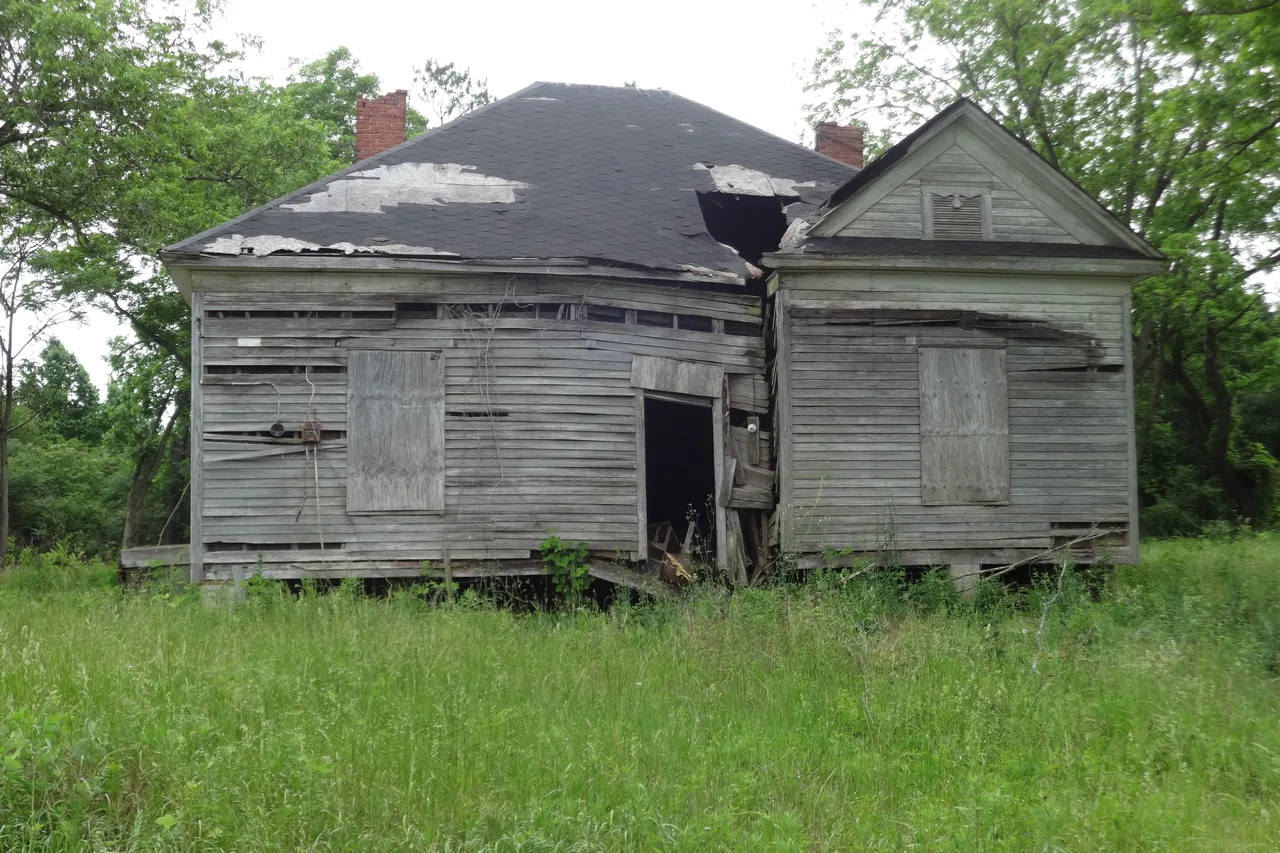
Should you tear down or renovate an old house in South Carolina?
Renovate when the foundation and frame are sound and repairs cost well under a new house. Tear down when the structure itself has failed. In a flood zone, check the 50 percent rule first. Repairs costing half the house’s market value or more can bring in flood rules that change the plan.
If you land on a teardown, our demolition service takes the old house down with a mini excavator. We haul the debris off and leave a clean, level lot. Your builder handles the new house.
Is it cheaper to tear down a house and rebuild?
Usually not, if the house is sound. HomeGuide’s demolition cost guide puts a whole-house remodel at $20,000 to $100,000 on average. Per square foot, HomeGuide lists a whole-house remodel at $15 to $60. HomeGuide’s remodeling cost guide puts a full gut to the studs at $100,000 to $200,000 or more, or $60 to $150 per square foot. That is the fairer number to hold against a rebuild when an old house needs everything.
Building new costs far more per foot. HomeGuide’s home building cost guide lists $180 to $280 per square foot for a basic builder-grade home. HomeGuide’s state table puts South Carolina at $200 to $250 per square foot for builder grade. HomeGuide lists custom homes here at $250 to $400.
Those build figures leave out the land and site prep. At HomeGuide’s national rates, a 1,500 square foot builder-grade house runs $270,000 to $420,000. The teardown comes on top. Our house demolition cost guide covers what that part runs.
| Point | Renovate the house | Tear down and rebuild |
|---|---|---|
| Cost per square foot | $15 to $60 for a whole-house remodel, $60 to $150 for a full gut to the studs | $200 to $250 for a builder-grade house in South Carolina, plus the teardown |
| Typical total | $20,000 to $100,000 on average, $100,000 to $200,000 or more for a full gut | $270,000 to $420,000 for 1,500 sq ft builder grade, before land, site prep and the teardown |
| Speed | Faster | Slower, because the old house comes down first |
| What you end up with | The same frame and foundation, updated | All new materials and better energy efficiency |
| Better choice when | The foundation and frame are sound | The foundation has structural problems, or ceilings sag or have large cracks |
| Flood zones such as AE | At 50 percent or more of market value, lowest floor at or above the base flood level | Lowest floor at or above the base flood level |
Sources: HomeGuide’s demolition cost guide (its remodel vs. rebuild section), HomeGuide’s remodeling cost guide and HomeGuide’s home building cost guide. Flood row: National Flood Insurance Program rules, 44 CFR 59.1 and 60.3.
When does tearing down make more sense than renovating?
Tearing down makes sense when the problems sit in the structure itself. HomeGuide lists these cases where demolition is the better choice:
- The foundation has structural problems.
- Ceilings are too low, sagging or have large cracks.
- Severe mold or pest damage has caused structural issues.
- The house is older than 50 to 70 years and has multiple wiring problems.
HomeGuide also calls a rebuild the better long-term solution. It updates all the materials and raises energy efficiency. A renovation keeps what still works. When the frame and foundation are solid, more of the money goes into the rooms you use.
Outside a flood zone, weighing the repair list against what the house is worth is your call. Inside one, the flood program’s rules set the line.
What is the 50 percent rule for a house in a flood zone?
The 50 percent rule decides when work on a flood-zone house counts as substantial. The National Flood Insurance Program rules in 44 CFR 59.1 define it two ways:
- Substantial damage: restoring the house would cost 50 percent or more of its market value before the damage.
- Substantial improvement: a reconstruction, rehab or addition costs 50 percent or more of its market value before work starts.
The same rule counts a substantially damaged house as a substantial improvement, whatever repair work is actually done. Crossing the line matters because of a second rule, 44 CFR 60.3.
In zones such as AE, that rule has communities hold new homes and substantially improved homes to one standard. Their lowest floor must sit at or above the base flood level. The base flood is the flood with a 1 percent chance of being reached or exceeded in any given year.
That cuts both ways. A big renovation of a low house can mean raising it. A new house has to meet the same height.
Your county or city reviews permits in flood zones. Ask its floodplain administrator whether your project crosses the line before you price either path.
Flood buyouts have already reached this area. In November 2022, the state Office of Resilience’s steering committee approved flood buyout grants. The grants were for Nichols, Mullins, Dillon County and Darlington County. The state says three of those areas were hit by both Hurricane Matthew and Hurricane Florence.
What do lead paint and asbestos rules mean for an old house?
Older houses raise both questions. Census Bureau survey data from 2024 shows about four in ten Florence County homes were built in 1979 or earlier. At least one in four was built before 1970, and the county’s median home dates to 1986.
Lead paint is the renovation question. EPA’s Renovation, Repair and Painting rule covers homes built before 1978. Anyone paid to do work that disturbs painted surfaces in those homes must be certified. Their employees must be trained in lead-safe work practices.
EPA says about three-quarters of U.S. homes built before 1978 still contain some lead-based paint. The rule generally does not apply to homeowners working on their own pre-1978 home. It does apply in some cases, such as renting out all or part of the house or flipping houses.
Asbestos rules usually leave a single-family house out. South Carolina’s Regulation 61-86.1 defines a regulated facility to exclude residential buildings with four or fewer dwelling units. It counts renovation and demolition as asbestos projects. It says those projects at a private home of four units or fewer may be exempt, with exceptions.
Exceptions include work that is part of a larger commercial or public project. Another is several houses on one block under one owner. So the residential exemption can apply whether you renovate or tear down. The house demolition cost guide above covers when a teardown does need a survey.
What happens to the lot after the teardown?
The lot gets cleared and leveled for whatever comes next. The debris loads into our dump trailer and goes to a permitted construction and demolition landfill. Then we rake the footprint and push the dirt back flat.
A new house or mobile home needs a level spot, and we build dirt pads for both. Topsoil, roots and stumps come off the footprint first, because that soft material settles later. Fill comes in and gets shaped in layers. The top ends up flat and a few inches above the ground around it.
Your builder, installer or engineer may have compaction specs or a soil report. If so, they set those numbers and we build the pad to that plan. HomeGuide’s build guide prices site prep separately, at $5,000 to $20,000 or more depending on the terrain.
An old single-wide comes apart in a different order than a house. Our page on mobile home demolition covers that teardown, and the pad work after it runs the same way. Drainage across the rest of the lot is grading and site prep work.
What part of the job do we handle?
We handle the teardown and the dirt work. Your builder handles the new house. The mini excavator takes the house down in sections and loads the dump trailer. The track skid steer works the debris pile, then does the spreading and finish grading for the pad.
Permits and utility disconnects come before any machine work. Our demolition permit guide covers how that works around Florence. We work Florence, Darlington, Hartsville, Sumter, Marion and the rural ground between. Give us a call for a free on-site quote on the teardown and the pad.
Questions people ask
Is it cheaper to tear down a house and rebuild?
Usually not, when the house is sound. HomeGuide puts a whole-house remodel at $20,000 to $100,000 on average. HomeGuide’s build guide puts South Carolina builder grade at $200 to $250 per square foot, plus land and site prep. Rebuilding makes sense when the foundation or frame has failed.
When should you tear down a house instead of renovating?
Tear down when the structure itself is the problem. HomeGuide’s signs include structural foundation problems and ceilings that sag or have large cracks. Severe mold or pest damage that reached the structure is another. In a flood zone, repairs at 50 percent or more of the house’s market value can also tip the decision.
What is the 50 percent rule for a house in a flood zone?
It is the point where work on a flood-zone house counts as substantial. National Flood Insurance Program rules set it at 50 percent or more of the structure’s market value. In zones like AE, both new and substantially improved homes need their lowest floor at or above base flood level. Ask your floodplain administrator first.
Do lead paint rules apply when you renovate an old house?
Yes, when someone is paid to do work that disturbs paint in a home built before 1978. EPA’s Renovation, Repair and Painting rule says they must be certified, with employees trained in lead-safe work practices. Homeowners doing their own work are generally exempt, with exceptions such as renting all or part of the house.
Does South Carolina’s asbestos rule cover a house renovation?
Usually not for a private house of four or fewer units. Regulation 61-86.1 counts renovation as an asbestos project, and it says those projects at such homes may be exempt. Exceptions include work that is part of a larger commercial or public project. So does a project with several houses on one block under one owner.
Do you rebuild the house after the teardown?
No. We handle the teardown, the haul-off and the site work, including grading and the dirt pad. Your builder or mobile home installer takes it from there. If they have compaction specs or a soil report, we build the pad to that plan.