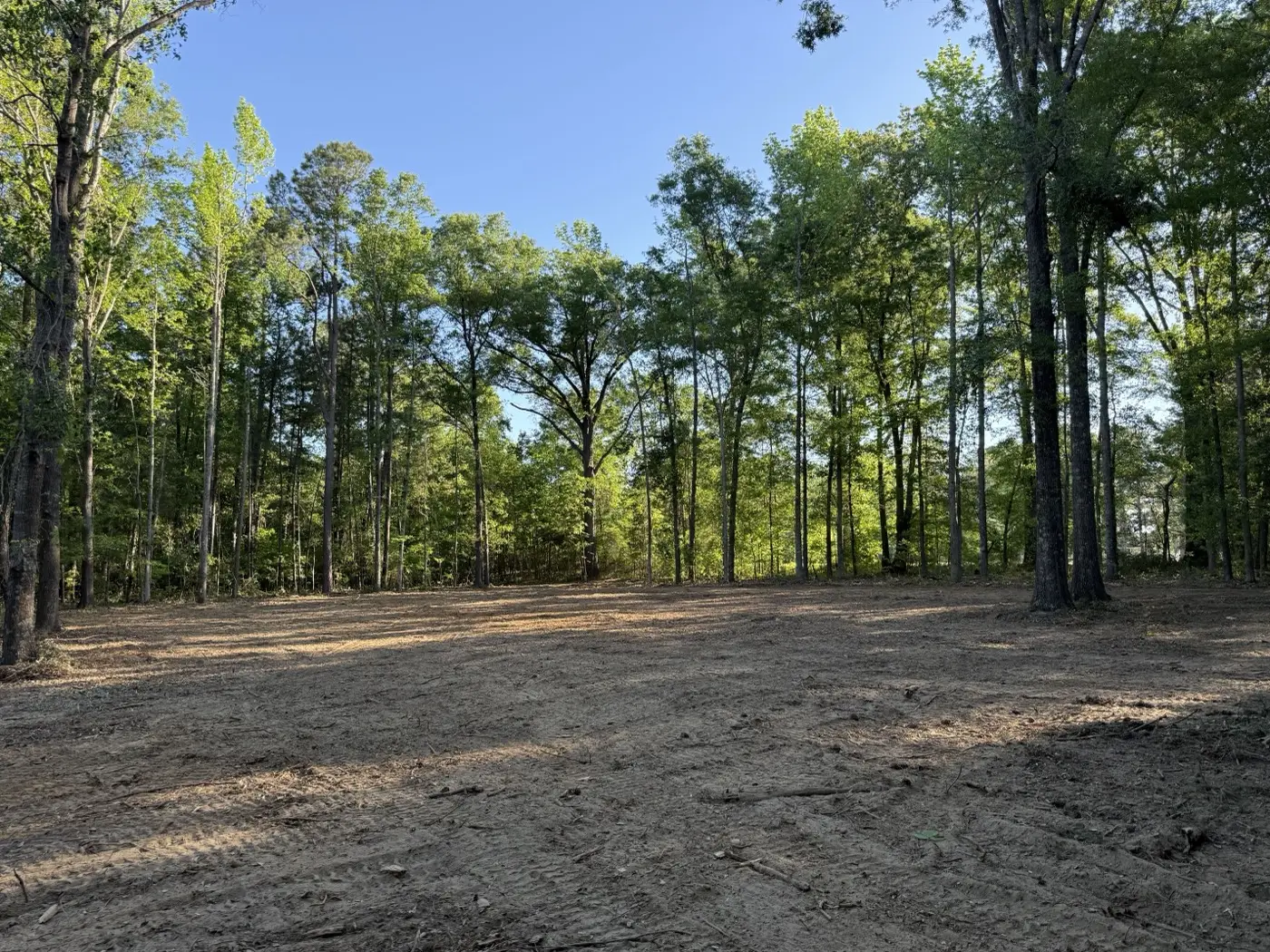
Forestry mulching in Hartsville clears understory brush and saplings and leaves the material where it grew. Everything gets shredded in place and drops as chips across the ground. That chip layer holds sand down and slows the next round of regrowth. There is no pile to burn and no debris to load out. Around Hartsville the usual target is thick growth under a standing pine canopy.
The Sandhills grow this stuff back in a hurry. Longleaf pine over turkey oak is the native pattern across this part of Darlington County. Briars and berry canes take the ground between them. For how the service works generally, read about forestry mulching in more detail. If a piece has to go all the way to bare dirt, that is full land clearing instead. You can also see land work around Hartsville.
Tell us about the job. We will get right back to you.
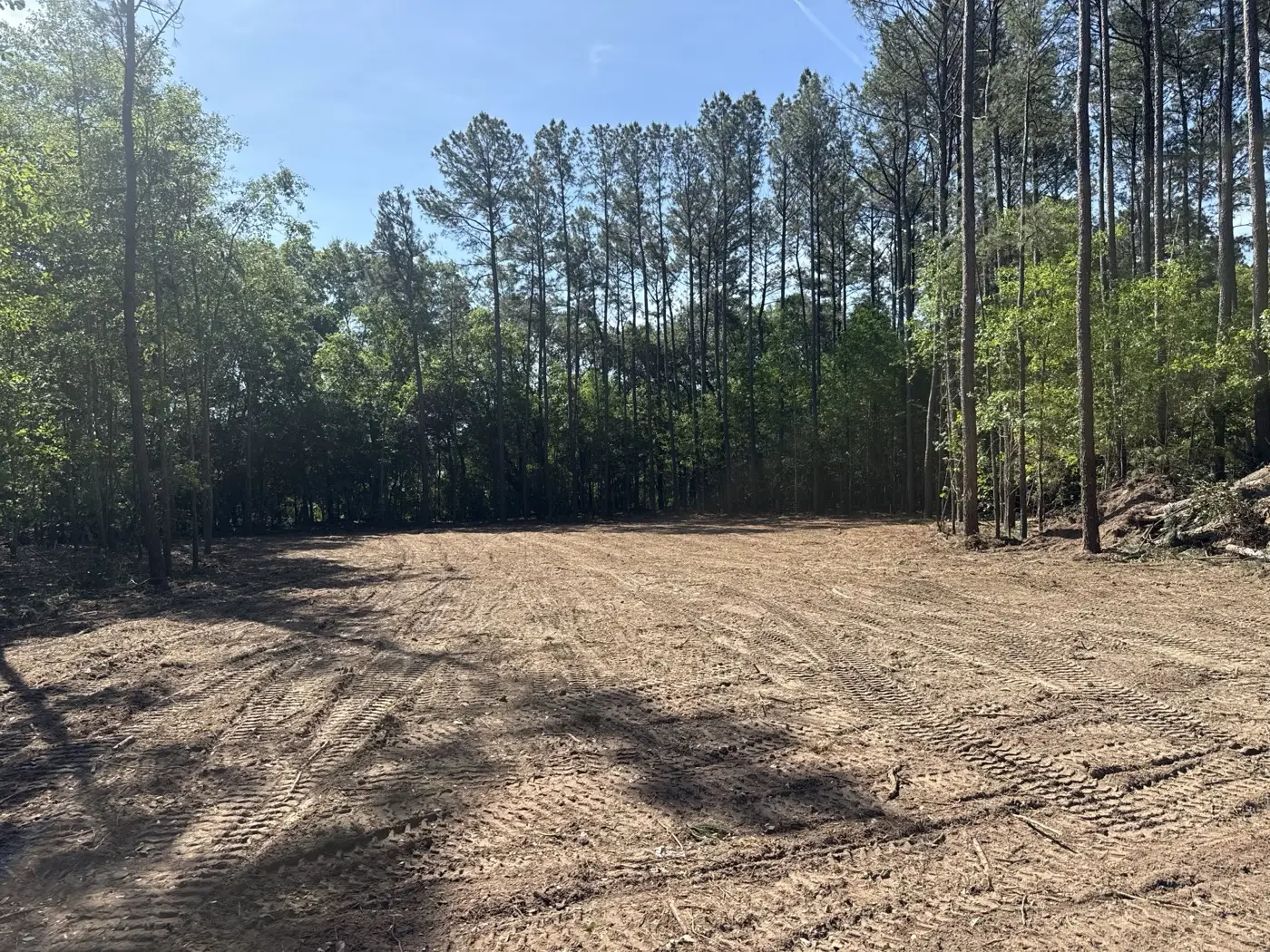
The machine passes over brush and small stems and cuts them into chips. Those chips fall where the plant stood and spread into a layer a few inches thick. On sandy Hartsville ground that layer does real work. It keeps rain from washing sand off a slope, and it holds moisture in soil that drains fast. The chips break down over a season or two and feed the dirt. Nothing gets stacked and nothing gets burned. When we pull off, the ground is open and easy to get across. You can read the shape of the land again.
Mulching cuts at ground level and leaves the roots in the dirt. That suits brush and anything you plan to mow later. Root systems left in sand still hold a bank together, which matters on a slope down to water. When the roots have to go, say for a pad or a garden spot, that becomes excavation and stump work. We often do both on one property. Mulch the thick part, dig out the spots that have to be clean. On acreage that mix costs less than taking a whole tract down to dirt.
Black Creek runs through the middle of the Hartsville area. It backs up into Prestwood Lake, about 300 acres on the north edge of town. Further up, the same creek forms Lake Robinson at roughly 2,250 acres. Kalmia Gardens and the 700 acre Segars-McKinnon Heritage Preserve sit along that creek. Both show what bottom growth does when nobody touches it. Private lots on the same water grow the same way. Mulching suits ground like that. The material stays put, so nothing gets dragged across soft dirt or piled up near the water.
Slope is the other factor on lake ground. Sand banks give way when you drag material over them. A bare slope near water washes with the first hard rain. Chips left on the surface cover that soil while new growth takes hold. We work across the slope rather than up and down it. Where a lot needs a view to the water, we take the low brush and leave the canopy. The big pines stay, the ground under them opens up, and you can see through. That is a common ask on water lots.
Land around Hartsville that stops being farmed fills back in fast. Pine seedlings and scrub oak come first, then briars fill the gaps between them. Give it five years and a field turns into a thicket you cannot get a mower through. Mulching takes ground like that back in one pass. What is left is a chip covered field you can mow, fence or replant. Darlington County has a long farming history. Lydia, about seven miles down US-15, is still a farming community. Plenty of that old ground has gone back to woods since the last crop.
The choice between mulching and cutting comes down to what is standing. A rotary cutter behind the tractor handles grass, weeds and stems about an inch through. That is a brush hogging pass, and it is the cheaper option on ground kept up every year or two. Once saplings get past wrist thick, the cutter rides over them or hangs up. Mulching is the tool then, since it takes standing stems down and chips them in the same pass. On a big tract we sometimes mulch the woody edges and bush hog the open middle.
Free, no-obligation estimates throughout Darlington County.
(217) 741-6050From the first walk of the property to the last pass of the grade, here is exactly how it goes.
We come see the actual job first: the structure, the brush, the ground under it, and how equipment gets in. Demo and land work price off what is really out there.
You get a free, no-obligation quote with a real number and a real plan: what comes down or gets cleared, where the debris goes, and when. It holds unless the scope changes.
The equipment shows up when we said and the job runs the way we quoted it: teardown, clearing, digging, grading. If something unexpected turns up, you hear about it right away, not on the bill.
When the work is done we go over the property together. Debris hauled the way we agreed, grades draining the right way, the site left clean. Done means you say it is done.
What Hartsville property owners ask us most about forestry mulching. Don't see yours? Give us a call and ask.
What forestry mulching costs per acre, why the spread is wide, and when mulching beats cut-and-haul clearing on Pee Dee ground. Market ranges explained.
Read more →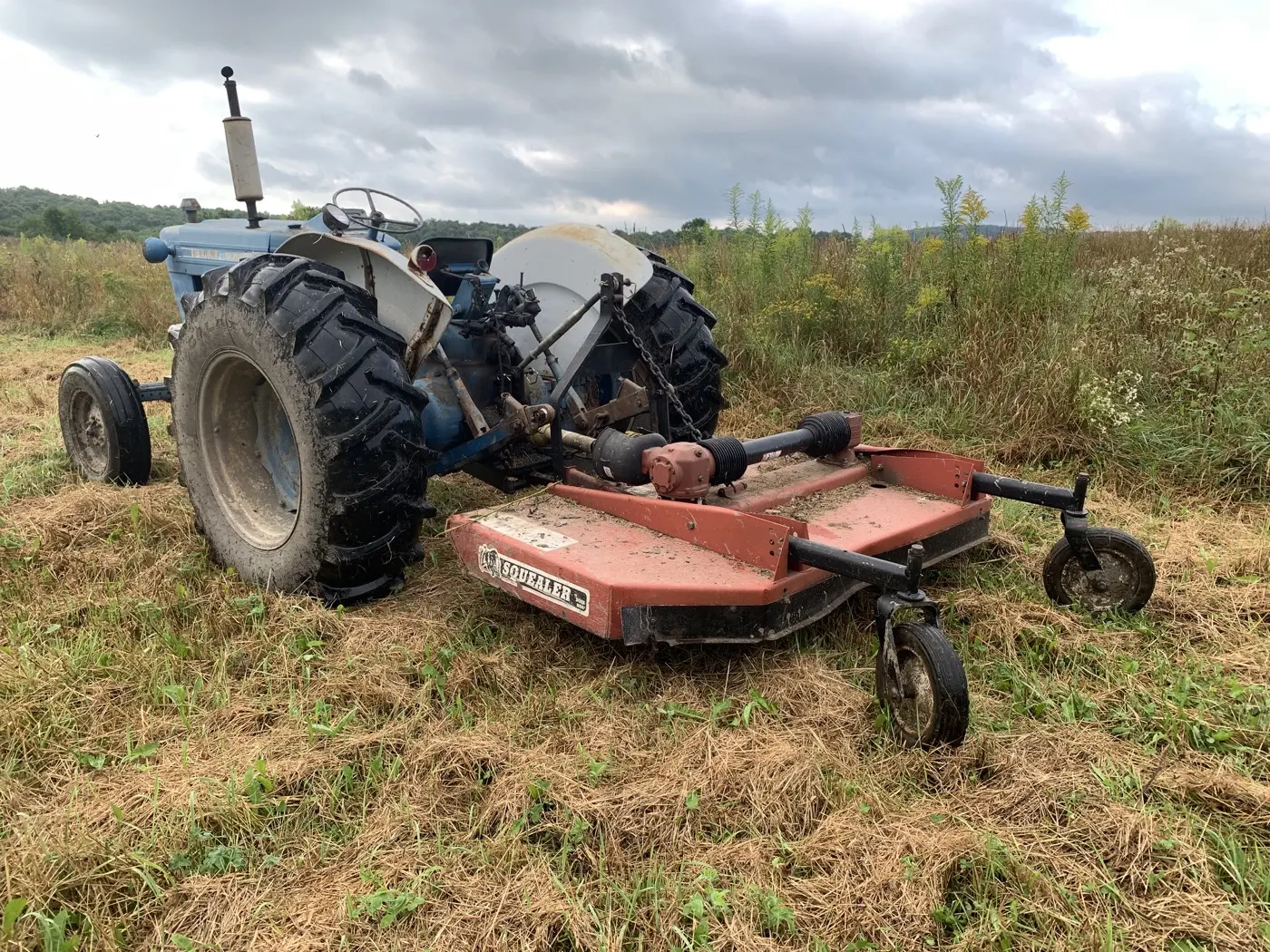
What bush hogging costs per acre and per hour, what minimums to expect, and why a yearly cut is the cheap insurance for Pee Dee ground.
Read more →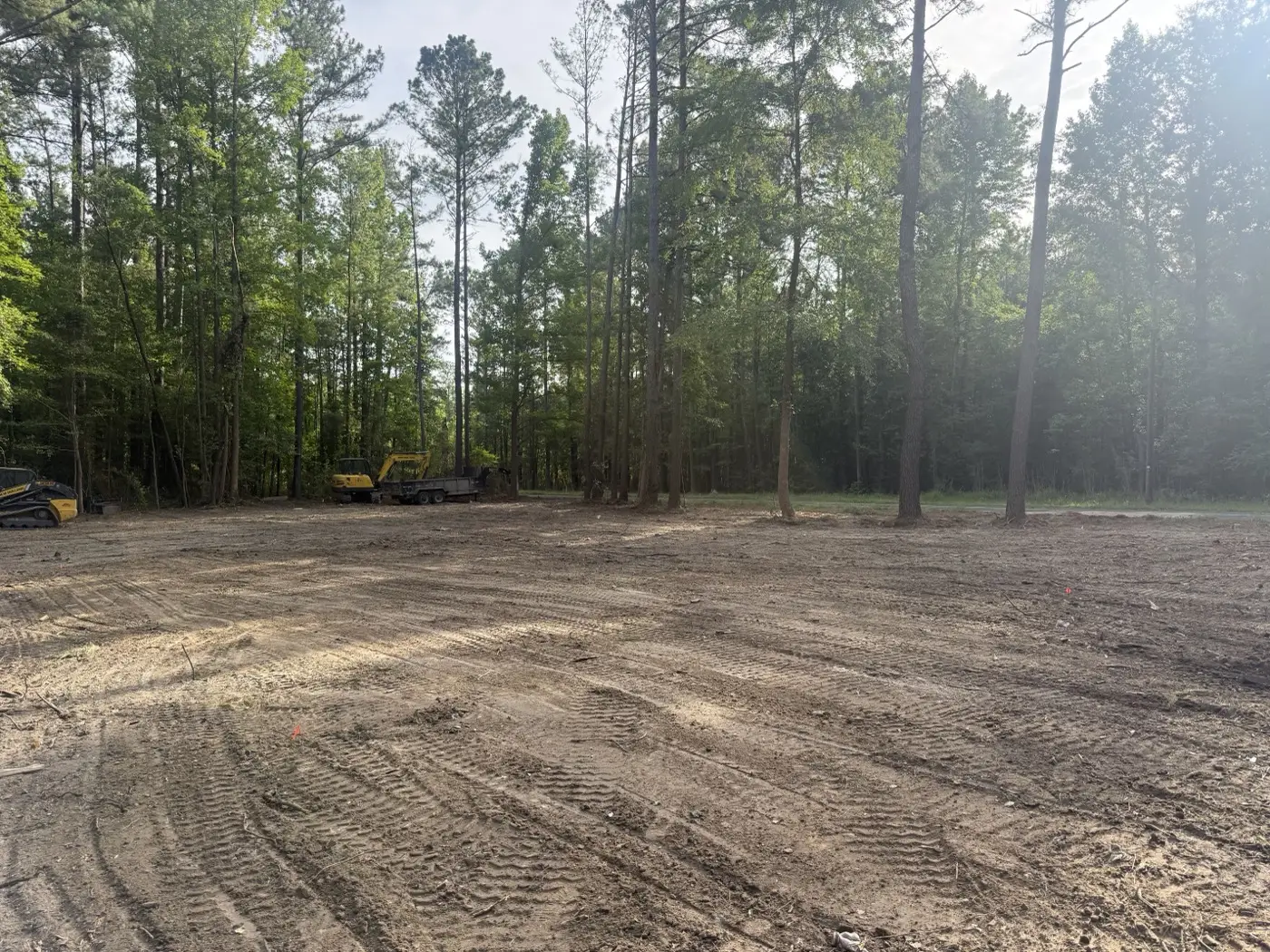
What land clearing costs per acre in South Carolina, what moves the price, and why wet-season ground around Florence changes the math. Real market ranges.
Read more →A structure that needs to come down, an overgrown lot, stumps in the way, ground that holds water, a pad or driveway that needs building? Call or send the form. We come look at the property and hand you a free quote with a real number on it.
Tell us about the job. We will get right back to you.