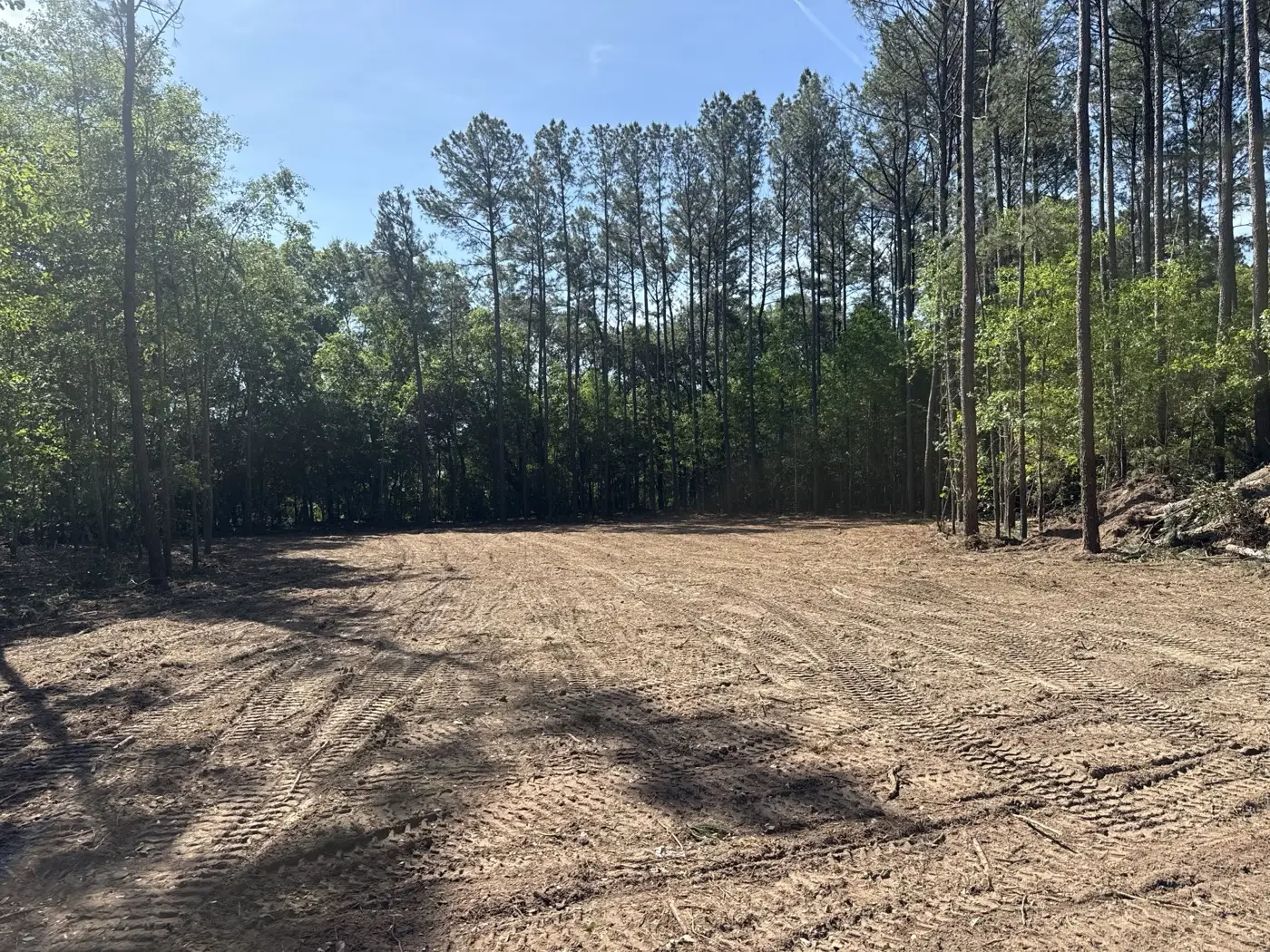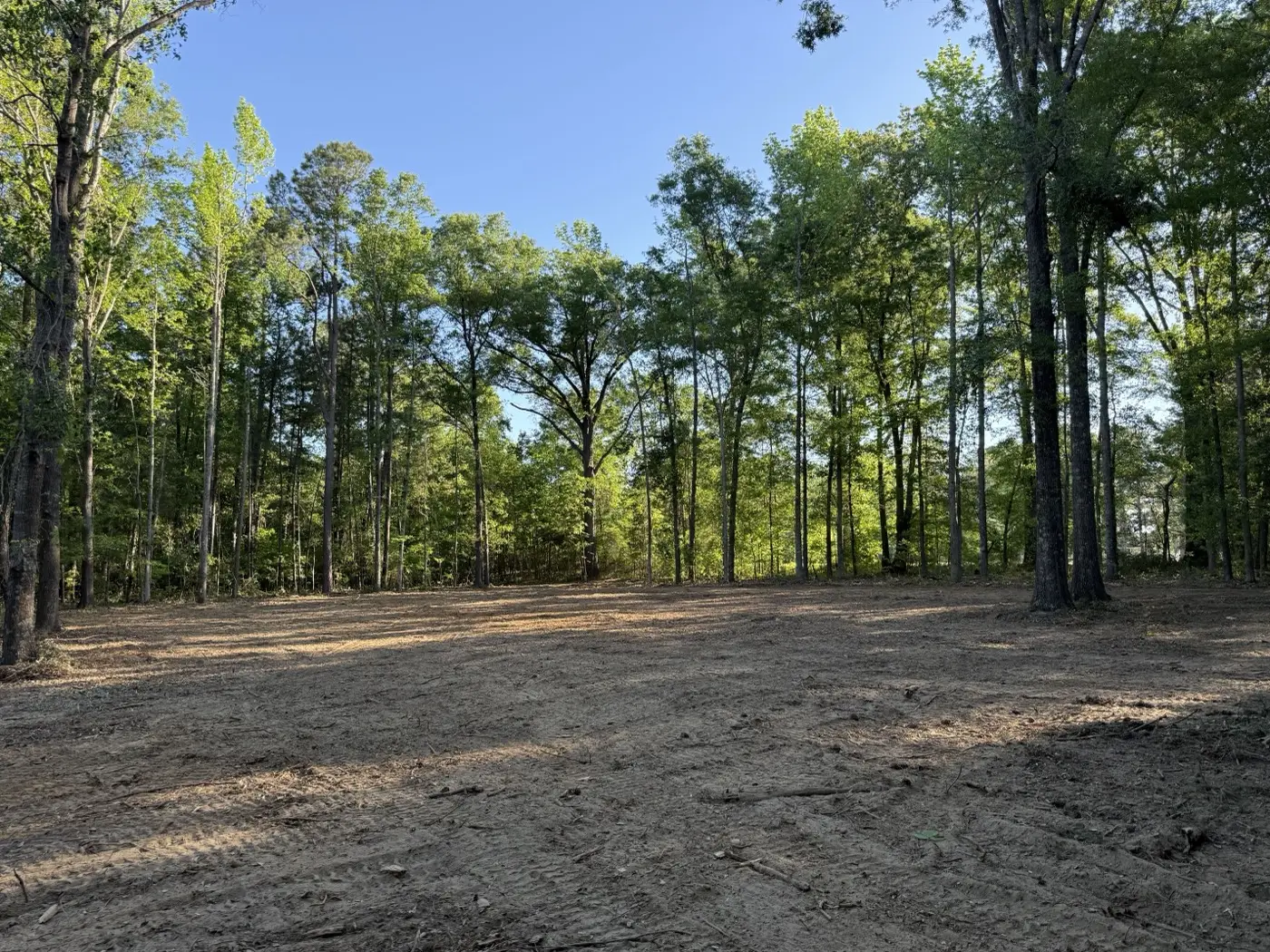
Forestry mulching in Sumter clears the understory without stripping the land. Brush, briars, vines and small trees get shredded where they stand. What falls is a mulch layer spread over the dirt. It all stays on the property. The big trees you want keep standing, so the shade and the look hold. When the work is done you can see through the woods and get across the ground again.
Sumter County has the growth for it. Mixed pine and hardwood runs across the county and the understory fills in fast underneath. Manchester State Forest out by Wedgefield shows what that looks like at scale. Pine and hardwood run over light sandy ground there. Private acreage does the same thing on a smaller footprint. See the forestry mulching page for the general process, or everything we handle in Sumter.
Tell us about the job. We will get right back to you.
The result is what people ask about first. After a mulching pass the ground is covered in shredded wood and leaf litter. The layer usually runs a few inches deep. That holds the soil in place, which matters on the sandy west side of Sumter County. Bare sand moves when it rains hard. Mulch keeps it where it is. Over the next couple of seasons the layer breaks down and works into the dirt. The land looks open and finished the same day the machine leaves. That is the whole cleanup.
Mulching suits some jobs and not others. It handles brush and small diameter trees well. Once the trunks get past six or eight inches the work slows and the cost climbs. On a Sumter lot thick with sweetgum saplings and briars, mulching is the fast way through. On a lot full of grown pine that all has to go, clearing and hauling fits better. We look at the stand and tell you which way the property runs. Sometimes it is both. Mulching on the back half, full clearing where the house is going.
Sumter County sits where the sandhills meet the coastal plain. Poinsett State Park out near Wedgefield is the clearest place to see it. Four different plant communities overlap on that ground, from hill country species to coastal plain swamp. Private land carries the same mix on a smaller scale. Loblolly pine dominates the canopy across South Carolina and sweetgum runs second in volume. Oak fills in along the low ground and the bays. Underneath all of it, briars and young hardwood take every gap where sun reaches. That understory comes back fast. It is the layer mulching is built for.
Ground conditions change what a machine can do in a day. Manchester State Forest covers more than 29,000 acres of mixed pine and hardwood near Wedgefield. The soil there is light sand cut through with swamps and bays. Private tracts nearby run the same way. Sandy high ground works dry most of the year and mulches quick. Bay edges and low bottoms stay soft and have to be worked in the right season. We look at where the wet lines sit before we quote acreage. A tract that reads as ten acres may only have seven you can run a machine across.
A lot of Sumter County acreage is held for hunting and timber. Once the understory closes in you lose the trails and the sight lines. Mulching cuts a lane back through without tearing up the road bed underneath. Tracks ride on top of the mulch, so the path holds instead of rutting. We can open a trail wide enough for a truck or narrow enough to walk. Fence lines get the same treatment. Clearing the growth back off a wire fence lets you see the line and keep it standing.
Maintenance is the other half of it. Land cleared five years ago in Sumter County is grown up again by now. Pine seeds itself into every opening and briars follow. A maintenance pass every few years is cheaper than starting over from thick woods. It also keeps the mulch layer topped up. Owners around Horatio and Mayesville with land they do not live on hit this most. Nobody notices the change until the tractor will not fit through the gap. We can put a property back on a cycle so that stops happening.
From the first walk of the property to the last pass of the grade, here is exactly how it goes.
We come see the actual job first: the structure, the brush, the ground under it, and how equipment gets in. Demo and land work price off what is really out there.
You get a free, no-obligation quote with a real number and a real plan: what comes down or gets cleared, where the debris goes, and when. It holds unless the scope changes.
The equipment shows up when we said and the job runs the way we quoted it: teardown, clearing, digging, grading. If something unexpected turns up, you hear about it right away, not on the bill.
When the work is done we go over the property together. Debris hauled the way we agreed, grades draining the right way, the site left clean. Done means you say it is done.
What Sumter property owners ask us most about forestry mulching. Don't see yours? Give us a call and ask.
What forestry mulching costs per acre, why the spread is wide, and when mulching beats cut-and-haul clearing on Pee Dee ground. Market ranges explained.
Read more →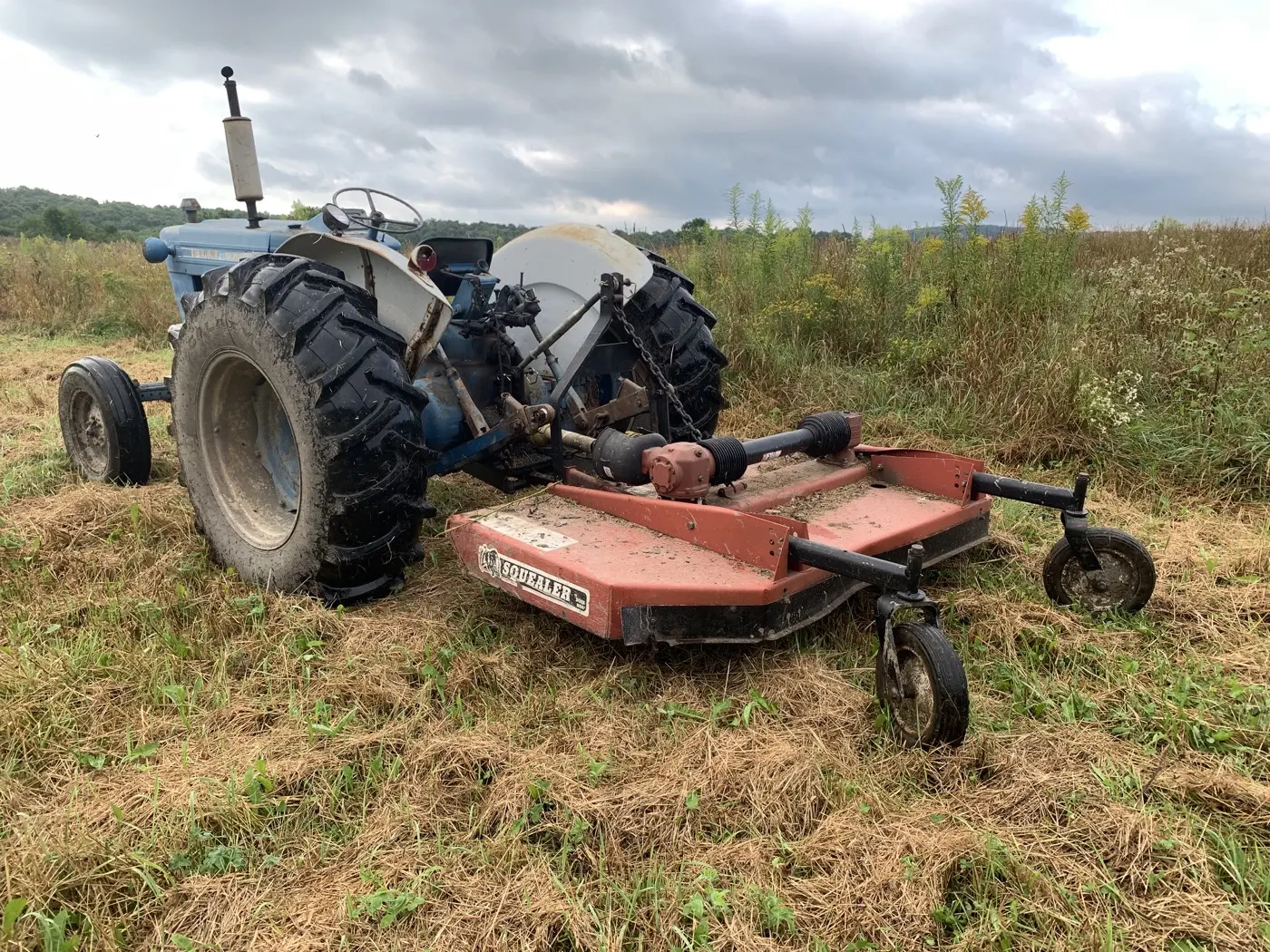
What bush hogging costs per acre and per hour, what minimums to expect, and why a yearly cut is the cheap insurance for Pee Dee ground.
Read more →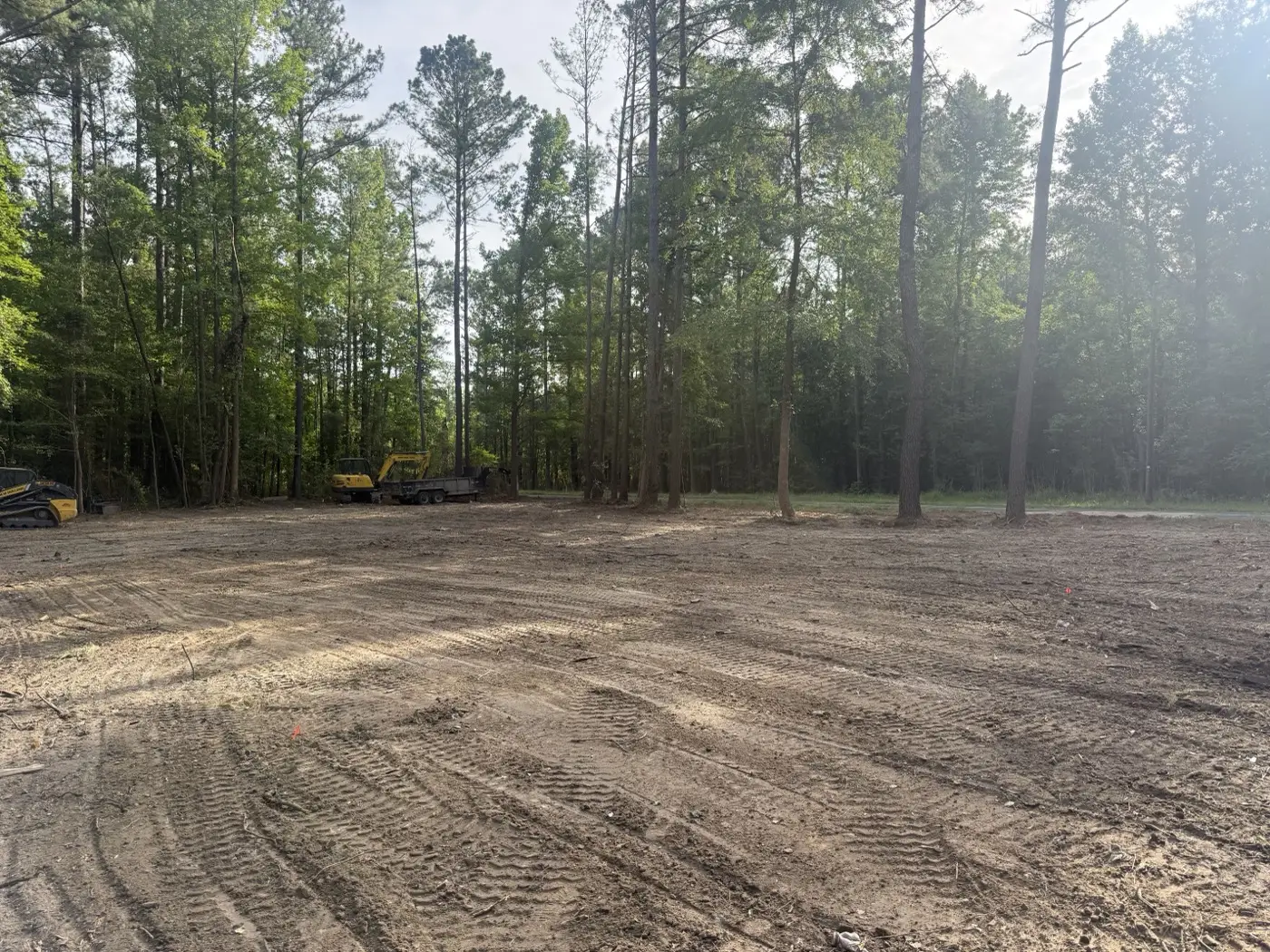
What land clearing costs per acre in South Carolina, what moves the price, and why wet-season ground around Florence changes the math. Real market ranges.
Read more →A structure that needs to come down, an overgrown lot, stumps in the way, ground that holds water, a pad or driveway that needs building? Call or send the form. We come look at the property and hand you a free quote with a real number on it.
Tell us about the job. We will get right back to you.